

Neurofeedback Therapy in Wilmington DE
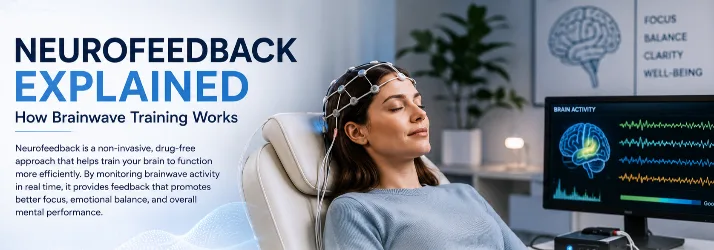
Are you looking for a non-invasive approach to better understand your brain's activity and explore ways to improve focus, relaxation, and overall cognitive wellness? Neurofeedback therapy in Wilmington, DE offers an innovative approach to brainwave training that uses real-time feedback to help individuals learn more about their brain's electrical activity.
At Quest Chiropractic, we believe in helping patients explore personalized approaches to their health and wellness. Whether you're experiencing attention and focus challenges, difficulty relaxing, or concerns about sleep quality, learning about neurofeedback may be a valuable step toward understanding your options.
What Is Neurofeedback Therapy?
Neurofeedback, also known as EEG biofeedback or brainwave training, is a non-invasive technique that measures electrical activity in the brain and provides real-time feedback about those patterns.
Your brain naturally produces different types of brainwaves throughout the day. These patterns change depending on whether you're concentrating, relaxing, sleeping, or performing other activities.
During neurofeedback training, specialized sensors monitor brainwave activity while a computer provides visual or auditory feedback. This allows individuals to practice responding to changes in their brain activity.
Unlike treatments that deliver electrical stimulation, traditional EEG neurofeedback measures brain activity without sending electrical currents into the brain.
How Does Neurofeedback Work in Wilmington, DE?
Neurofeedback uses technology to help individuals become more aware of their brainwave patterns through a structured training process.
Step 1: Initial Consultation and Assessment
The process begins with discussing your health history, concerns, and personal goals. Depending on the approach used, an assessment may include an electroencephalogram (EEG) or quantitative EEG (qEEG) to evaluate patterns of brain activity.
Step 2: Understanding Your Brainwave Activity
Brainwaves are electrical patterns produced by the brain. Different patterns are associated with different states of alertness, relaxation, and sleep.
Neurofeedback technology measures these patterns and helps identify specific training targets based on the individual's assessment.
Step 3: Personalized Brainwave Training
During a typical neurofeedback session, small sensors are placed on the scalp to monitor electrical activity.
Patients may watch a video, listen to audio, or participate in a computer-based activity that responds to their brainwave patterns.
For example, the video or sound may change when a targeted brainwave pattern is detected. This feedback creates opportunities to practice different patterns of brain activity.
Step 4: Monitoring Progress
Neurofeedback generally involves multiple sessions rather than a single appointment.
Progress may be evaluated through changes in training measurements, personal experiences, and individual goals. Results vary, and not everyone experiences noticeable improvement.
Who May Be Interested in Neurofeedback Therapy?
People explore neurofeedback for many reasons, including an interest in cognitive wellness, relaxation, and brainwave self-regulation.
Attention and Focus Challenges
Difficulty maintaining attention, staying organized, or concentrating can affect everyday activities.
Some individuals explore neurofeedback as a complementary approach to attention and focus training. Research findings are mixed, however, and neurofeedback should not be presented as a proven replacement for established treatments for attention-related conditions.
Stress and Relaxation
Daily responsibilities, work demands, and personal challenges can make it difficult to unwind.
Neurofeedback may appeal to individuals interested in learning more about self-regulation and relaxation. Evidence regarding its effectiveness for treating anxiety disorders remains limited.
Sleep and Rest
Consistent sleep plays an important role in physical and cognitive health.
Individuals experiencing difficulty relaxing before bedtime or maintaining consistent sleep patterns sometimes explore neurofeedback as part of a broader wellness plan.
Neurofeedback is not an established first-line treatment for insomnia or other sleep disorders.
Emotional Wellness
Some individuals are interested in neurofeedback as a complementary tool for exploring emotional self-regulation.
People experiencing emotional distress or the effects of negative emotional trauma should continue working with qualified healthcare or mental health professionals. Neurofeedback should not replace evidence-based psychological or medical treatment.
Cognitive Performance
Students, working professionals, and other individuals interested in concentration and mental performance may explore brainwave training.
Although research continues in this area, improvements in cognitive performance are not guaranteed.
What Are the Potential Advantages of Neurofeedback?
One reason individuals are interested in neurofeedback is its non-invasive approach to measuring and providing feedback about brain activity.
Some features include:
- Non-invasive technology: Traditional EEG sensors record electrical activity without delivering electrical stimulation.
- Drug-free training sessions: Neurofeedback itself does not involve medication.
- Individualized training: Protocols may be selected according to assessment findings and personal goals.
- Real-time feedback: Visual or auditory signals help individuals observe and respond to brainwave activity.
- Structured sessions: Training provides a consistent process for practicing self-regulation skills.
Neurofeedback is generally well tolerated, although some people report temporary headaches, fatigue, irritability, or other discomfort. A qualified provider should explain the potential benefits, limitations, and risks before beginning.
What to Expect During a Neurofeedback Session
If you're considering neurofeedback therapy in Wilmington, DE, understanding the process can help you feel more comfortable.
During a typical session, sensors are positioned on the scalp to measure brain activity. These sensors connect to monitoring equipment that displays information about brainwave patterns.
You may be asked to watch a screen, listen to audio, or complete a simple activity while the system provides feedback.
Sessions are generally conducted while seated comfortably, and the experience does not usually require significant physical effort.
The recommended number and duration of sessions depend on the protocol, individual goals, and provider assessment.
Explore Neurofeedback at Quest Chiropractic in Wilmington, DE
At Quest Chiropractic, our focus is helping individuals and families make informed decisions about their health and wellness.
Led by Dr. Juewuo Reeves, our Wilmington practice emphasizes personalized attention, patient education, and a whole-person approach to care.
We understand that each person's goals are different. Whether you're interested in learning about brainwave training, attention and focus, or complementary wellness approaches, our team welcomes your questions.
Our office is conveniently located on Concord Pike in Wilmington, Delaware, serving individuals and families throughout Wilmington and surrounding New Castle County communities.
Frequently Asked Questions About Neurofeedback
Is neurofeedback therapy painful?
Traditional EEG neurofeedback is generally painless. Sensors are placed on the scalp to record brainwave activity without delivering electrical stimulation.
Is neurofeedback the same as brainwave training?
Yes. Neurofeedback is commonly referred to as brainwave training or EEG biofeedback because it uses real-time information about brain activity during training.
How many neurofeedback sessions are needed?
The number of sessions varies depending on the individual and the training protocol. Neurofeedback typically involves repeated sessions, and there is no universally established number that guarantees results.
Can neurofeedback help with attention and focus?
Neurofeedback has been studied for attention-related concerns, but research findings are mixed. It should be considered a complementary approach rather than a guaranteed treatment.
Is neurofeedback safe for adults and children?
EEG neurofeedback is generally considered non-invasive, but suitability depends on the individual's circumstances. A qualified healthcare professional should evaluate whether it is appropriate, especially for children or individuals with neurological or mental health conditions.
Where can I learn more about neurofeedback in Wilmington, DE?
Contact Quest Chiropractic to ask about neurofeedback, available services, and whether a consultation would be appropriate for your goals.
Schedule a Consultation at Quest Chiropractic
Interested in learning more about neurofeedback therapy in Wilmington, DE?
Our team at Quest Chiropractic is here to answer your questions and help you explore your options.
Quest Chiropractic of Wilmington
1601 Concord Pike, Suite 65–67
Wilmington, DE 19803
Phone: (302) 225-1460
Website: https://www.questchiros.com/
Contact Quest Chiropractic today to learn more and request a consultation.
Educational content only. This information is not a substitute for professional medical advice, diagnosis, or treatment. Neurofeedback outcomes vary, and evidence supporting its use depends on the condition being addressed. Do not discontinue prescribed treatments without consulting your healthcare provider.

OFFICE HOURS
Monday
8:30am - 6:00pm
Tuesday
2:30pm - 7:00pm
Wednesday
8:30am - 6:00pm
Thursday
8:30am - 6:00pm
Friday
8:00am - 12:00pm
Saturday & Sunday
Closed

Quest Chiropractic
1601 Concord Pike Suite 65-67
Wilmington, DE 19803